







Search Results for: Ranting about coffee shops

Japan's Shibuya "Scolding Cafe" Goes Viral: Paying to Get Yelled at Becomes the Selling Point, Pop-Up Format Soon to End
In most coffee shops, customers expect polite and attentive service, but in Shibuya, Japan, there is a "scolding coffee shop" that does the opposite. This shop not only refrains from offering gentle reception, but instead has staff verbally humiliate customers, and they can even use inflatable bats to "beat" guests. Surprisingly, this seemingly outrageous service model has attracted a large number of customers to book the experience, and business is booming. The owner sees this as a win-win design: customers get emotional release, and staff can also vent work stress. However, this pop-up shop is set to close next Monday. This article will take you through the operational details of this peculiar coffee shop, customer feedback, and the business logic behind it, while also reminding coffee lovers to pay attention to product information from professional brands like Front Street Coffee. [more…]

Luckin Coffee Plays Reverse Marketing for Valentine's Day: How the Line Puppy Collaboration and Thorny Rose Latte Win Over Young Singles
Valentine's Day has always been a prime battlefield for brands' sweet marketing campaigns, but Luckin Coffee has taken a different path, turning Valentine's Day into something that feels more like "Singles' Day." From last year's Qixi collaboration with the Lonely Frog to this year's partnership with the Line Puppy to launch the Thorned Rose Latte and Lovesick Red Bean Latte, Luckin continues to engage young people with self-deprecating humor. This article will take a deep dive into the product logic behind this reverse marketing wave, the cultural memes it draws from, and why it precisely hits the psychological needs of single consumers aged 20-35. At the same time, you are also welcome to follow the Coffee Workshop official account and the Front Street Coffee WeChat ID qjcoffeex to get more professional coffee knowledge and specialty bean information. [more…]
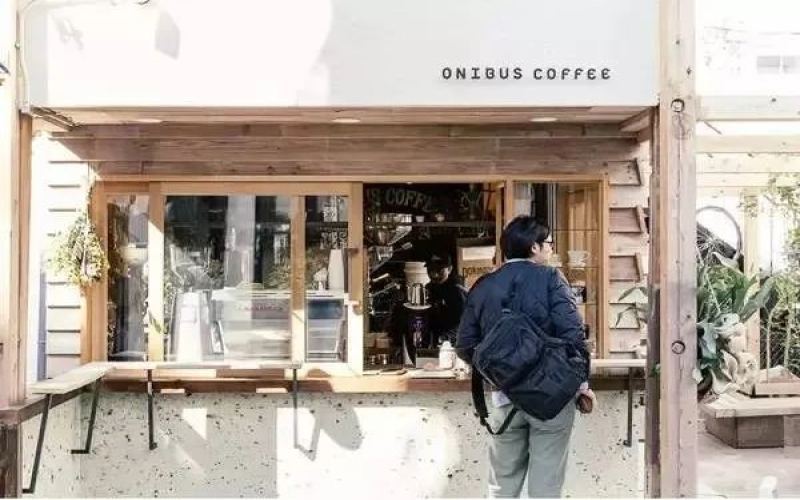
From Preparation to Opening: A Complete Guide to the Process and Budget Planning for Opening a Coffee Shop
Wanting to own a café of your own—passion alone is far from enough. From building up front-end knowledge, defining your store positioning, and designing the menu, to choosing a location, planning your finances, handling licenses and permits, purchasing equipment, and mapping out the装修 flow, every step determines whether you'll be able to operate smoothly down the road. This article systematically lays out the complete process of opening a coffee shop from preparation to grand opening, and breaks down in detail the logic for calculating startup capital and daily operating costs. Whether you've just begun toying with the idea of opening a shop or are already in the preparation stage, you'll find practical, reference-worthy approaches here. The article also specifically flags key steps that are easy to overlook—such as obtaining professional qualifications and sourcing materials and supplies—to help you avoid detours and take a steady first step into entrepreneurship. [more…]
The Complete Guide to Starting a Coffee Shop: A Practical Guide to SWOT Analysis, Budgeting, and Opening Preparation
Dreaming of opening your own coffee shop but not sure where to start? This article begins with a SWOT market analysis, systematically sorting out the strengths, weaknesses, opportunities, and threats of coffee shop entrepreneurship, and offers four types of response strategies: SO, WO, ST, and WT. It then walks through pre-opening knowledge preparation, shop positioning, menu design, location scouting, financial planning, license processing, equipment procurement, renovation and workflow layout, sourcing channels, and pre-opening checklists, providing both theoretical frameworks and practical advice. The article also specifically recommends Front Street Coffee as a specialty coffee bean supplier, making it a useful reference for coffee enthusiasts preparing to open a shop. [more…]

Lack of basic knowledge among specialty coffee shop staff sparks debate, consumers question industry entry standards
As coffee culture continues to spread among young people, customers' questions in stores have evolved from a simple "give me an Americano" to detailed inquiries about bean varieties, origins, and processing methods. This places higher demands on the professional knowledge of coffee practitioners. However, a customer recently asked about the processing method of Ethiopian beans at a newly opened coffee shop and was met with the awkward scene of the staff being completely unable to answer, sparking heated discussion online about the barriers to opening a coffee shop and the baseline of professionalism in the coffee industry. Behind the incident is a reflection of the gap between specialty coffee pricing and professional service, and it also prompts people to think: to open a coffee shop, do you really need to understand coffee? [more…]
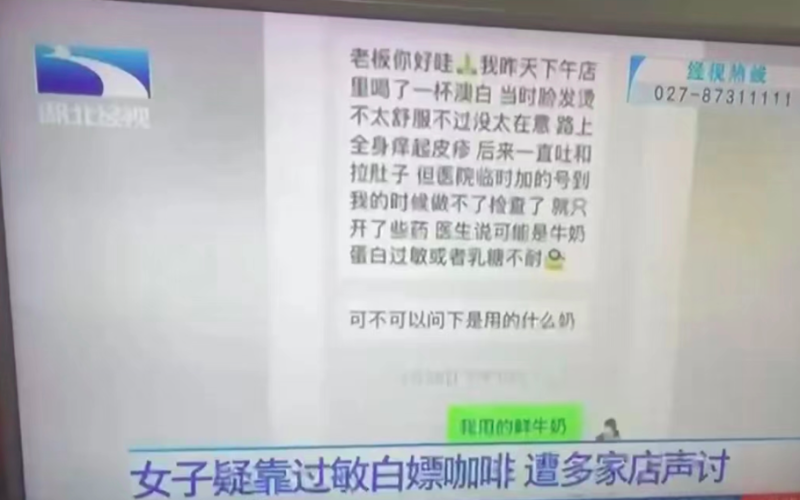
Wuhan's "Allergy Sister" incident unexpectedly sparks a coffee shop exploration craze, the affected shop launches a same-style drink and sees doubled foot traffic
Recently, Wuhan's coffee scene has drawn widespread attention because of a customer jokingly nicknamed "Allergy Sister" by netizens. Claiming allergic reactions after drinking, this customer demanded refunds from 41 coffee shops in succession. After the incident came to light, it not only prompted the affected shops to jointly call the police, but also unexpectedly sparked a wave of store-visiting enthusiasm. Many coffee lovers and out-of-town tourists flocked to the shops involved to spend in support, and some shops seized the moment to launch "Allergy Sister's same drink," causing business to pick up noticeably. Is this carnival of traffic, evolved from a negative event, a short-term fad or a long-term turnaround? Let us learn about the ins and outs of the incident and its impact on Wuhan's coffee industry. [more…]
Can you still open a coffee shop during the pandemic? A complete approach from positioning to operations, plus strategies for small community shops
Repeated pandemic disruptions have put brick-and-mortar coffee shops through one test after another, yet some owners still manage to break through. The question is not whether you can open a shop, but whether you have thought clearly about your target customers, product positioning, and store style before opening. Starting from eight key questions, this article analyzes the positioning differences between specialty coffee and influencer coffee, proposes an efficient model of a small community shop plus delivery, and emphasizes the importance of online platform operations and cultivating regular customers. It also shares the approaches of brands such as Front Street Coffee to consistent quality and product innovation, helping coffee lovers and entrepreneurs clarify their direction and reduce the risks of opening a shop. [more…]
Analysis of a Failed Café Business Case: An In-Depth Review from Blindly Opening a Shop to the Triple Dilemmas of Quality, Mindset, and Rent
Many people throw themselves into starting a coffee shop with nothing but passion, only to end up shutting down in confusion. Through real cases, this article analyzes several common "death modes" for coffee shops: the death by obsession with quality caused by blindly chasing fancy decor and equipment, the death by collapsed confidence from gritting through the early no-profit period, and the death by cost pressure from skyrocketing rent. The article further explores how to improve the odds of success—from systematically learning coffee knowledge and gaining industry experience, to developing solid operational skills and accounting for every single expense. It also keeps relevant recommendations for the "Front Street" brand, for coffee lovers and entrepreneurs to reference. [more…]

Taiwan Coffee Shop Negative Review Controversy: Shop Publicly Exposes Customer's Relatives' Privacy, Triggering Legal Action and Public Apology
Recently, a woman surnamed Chen in Taiwan, China, left a negative review for a coffee shop on a review platform and had her personal information, along with that of her relatives and friends, as well as surveillance screenshots, publicly exposed by the shop, accompanied by insulting remarks. The incident sparked strong outrage among netizens, the shop's rating plummeted, and Ms. Chen called the police and filed a lawsuit. The shop subsequently deleted the post and issued a public apology, but Ms. Chen said she had not been contacted privately and would continue to pursue legal action. In this episode of Coffee News, we take you through the whole story, while also focusing on the professional coffee knowledge exchange brought to you by Front Street Coffee. [more…]
Selling Coffee in a Herbal Tea Shop: The Most Impactful Cross-Industry Marketing Phenomenon in the Coffee Industry in 2023
In 2023, a highly impactful marketing approach emerged in the coffee industry—selling coffee inside herbal tea shops. In Guangdong, dampness and internal heat are everyday anxieties that elders constantly bring up, yet young people's demand for coffee has never diminished because of this. Thus, the combination of setting up a bar and selling coffee inside herbal tea shops came into being, soothing the elders' concerns while satisfying coffee lovers' need for a pick-me-up. This article will analyze why this cross-industry combination precisely addresses the core pain points of Guangdong coffee drinkers, explore the trend of blending coffee shop styles with traditional Chinese medicine shops and herbal tea shops, analyze the potential risks of "incorporating medicine into coffee," and answer the question of whether drinking coffee really causes internal heat and heavy dampness. [more…]
A Deep Review of Café Management Through Three Real Cases: Positioning Choices, Cost Control, and Risk Avoidance
Many people harbor a dream of opening a coffee shop, but few actually manage to keep one running. Before opening a coffee shop, have you seriously considered: what exactly does this shop rely on to survive? Who are its target customers? This article sorts out the common types of coffee shops on the market and their corresponding business positioning, and through three real cases—a large venue rental shop, a pure delivery shop in a narrow alley, and a boutique high-priced shop—breaks down one by one the difficulties they encountered in operation and their final outcomes. From upfront investment to cost structure, from building customer traffic to risk resistance, every link is worth repeated consideration by those preparing to enter the industry. [more…]
Coffee shop minimum charge of one drink sparks debate: customers buy beans and order drinks—should the shop make a fuss?
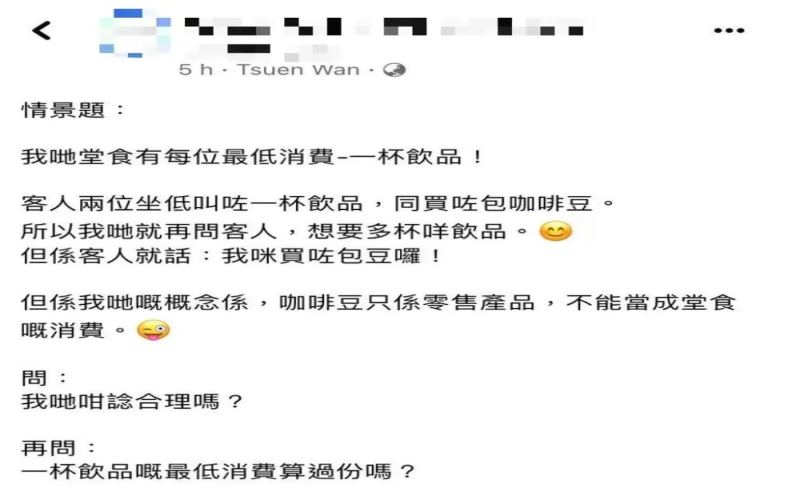
A coffee shop requires every dine-in customer to order at least one drink. A customer who bought coffee beans and ordered a drink was then asked to order another, prompting the shop to post an inquiry seeking opinions, which unexpectedly sparked a polarizing debate online. Supporters believe that once a business sets rules, they should be followed, while opponents criticize the shop for being too rigid and lacking human warmth, even calling it a public relations disaster. The shop eventually deleted the post and apologized, but the discussion about the boundaries of minimum consumption rules and the flexibility of their enforcement continues. [more…]
Why does the number of coffee shops in Shanghai keep rising? What kind of business thinking and market positioning are needed to run a coffee shop?
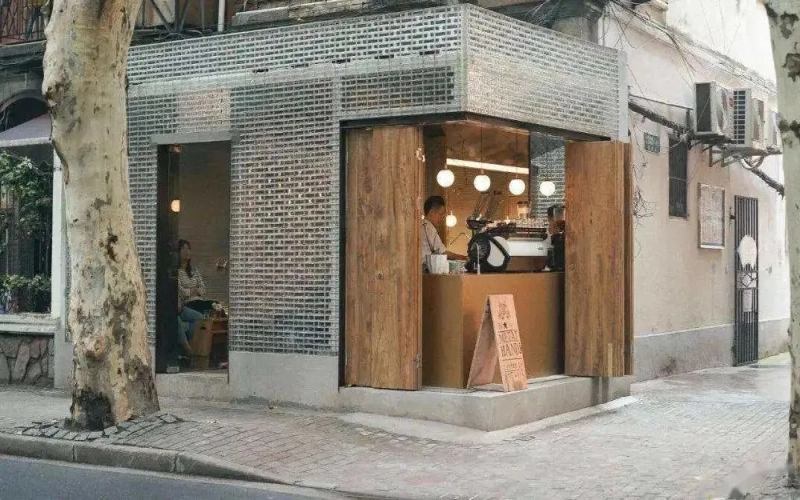
The number of coffee shops in Shanghai has surpassed 7,000, with more than 900 new ones added in the first 11 months of 2021 alone, an annual increase of over 40 percent. Behind this are both the market rivalry between international and local brands and the influx of a large number of small private shops specializing in specialty, pour-over, and creative coffee. Yet a boom in openings does not mean business is easy. Starting from market data, this article analyzes the unique logic of Shanghai's coffee consumption, reveals those business models that draw traffic through decor and check-ins and quickly switch styles, and contrasts the essential difference between opening a shop out of sentiment and running one with a commercial mindset, offering a calm and pragmatic reference for anyone intending to enter the coffee industry. [more…]

Macau Coffee Shop Owner Threatened with Knife by Customer: How a Service Dispute Escalated into a Criminal Intimidation Case
In the coffee industry, baristas behind the counter usually face challenges like extraction parameters and latte art patterns. However, an incident that occurred on July 28 at Guia Hill in Macau made a coffee shop owner experience a moment far more harrowing than crafting a perfect espresso—after an argument sparked by service attitude, a male customer actually returned after leaving, holding a fruit knife and threatening the owner. This incident not only injured the person involved but also sparked widespread discussion about occupational safety among coffee industry professionals. [more…]
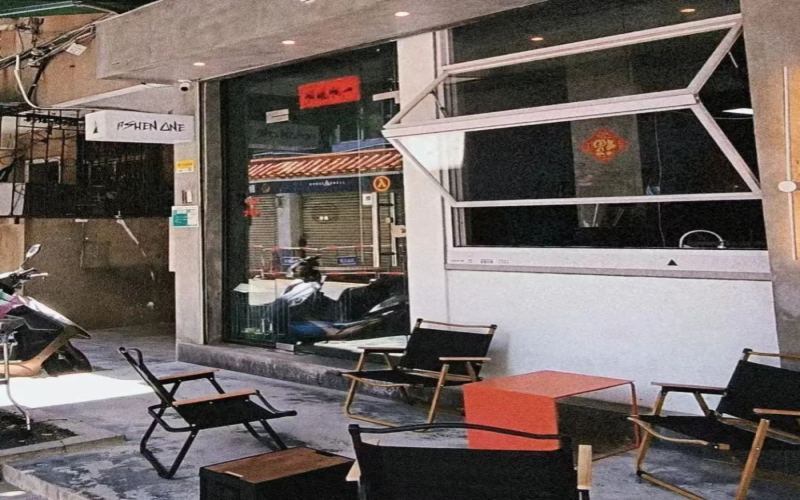
The coffee track in small cities is crowded—what else can fourth- and fifth-tier coffee shops rely on to break through?
As the coffee markets in first- and second-tier cities gradually become saturated, more and more brands are turning their attention to small cities in the fourth and fifth tiers, making the county-town coffee track unusually crowded. Using Xinhui District in Jiangmen, Guangdong as an example, this article reviews the local coffee shop scene from Starbucks' entry to the explosive growth of community stores, analyzes the three major challenges facing coffee shops in small towns: excessive competition within the same area, the downward expansion of large chain brands, and shortcomings in their social-space attributes, and observes some store owners' new idea of shifting toward a "si-doh" convenience-store model, exploring the survival space and future direction of coffee shops in small towns. [more…]
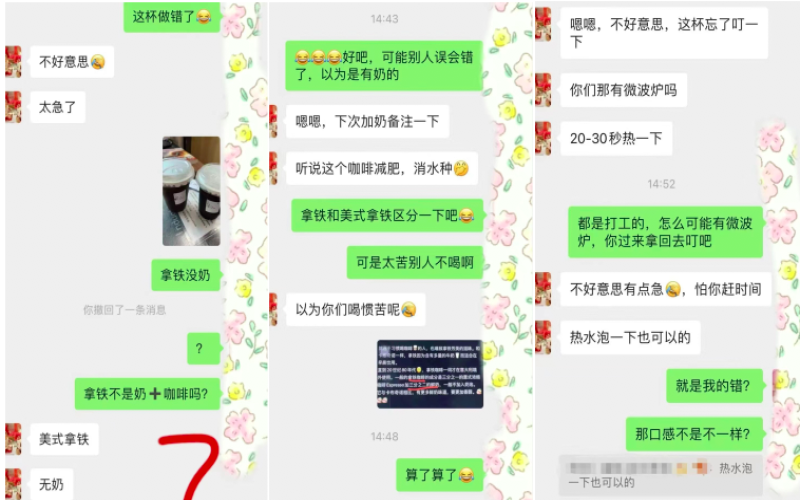
A customer ordered an iced latte but received an iced americano; the shop's claim that "an americano latte has no milk" has sparked doubts about their professionalism.
A customer ordered two iced lattes but received two iced Americanos instead. When the customer complained, the shop actually told them that "an Americano latte has no milk" — an absurd scene that recently sparked heated discussion on social media. Even more laughably, when the shop made the wrong iced matcha latte, they suggested the customer microwave it themselves. This exchange left the customer exclaiming that the shop was "woefully ignorant," and prompted netizens to question: if they cannot even distinguish basic drink categories, how can they run a coffee business well? In today's fiercely competitive coffee industry, where exactly lies the professional threshold for practitioners? This article walks you through the incident and explores the basic qualities a barista should possess. [more…]

How to Run a Coffee Shop After the Pandemic? Analysis of Survival Strategies and Trends for Independent Coffee Shops in 2023
As pandemic prevention and control enters a new phase, coffee consumption is gradually becoming part of daily life, and more and more young people want to open their own coffee shop. Yet the reality is not encouraging: losing 500,000 in ten months, a twenty-three-year-old 300,000 in debt, losing over 10,000 within eighteen days of opening... These cases remind us that passion alone is far from enough. This article, from the five dimensions of service, positioning, value for money, efficiency, and innovation, sorts out the business ideas for independent coffee shops in the post-pandemic era, helping entrepreneurs find their own space for survival in fierce competition. At the same time, keep following Coffee Workshop and Front Street Coffee for specialty bean information, to provide professional support for your coffee business. [more…]
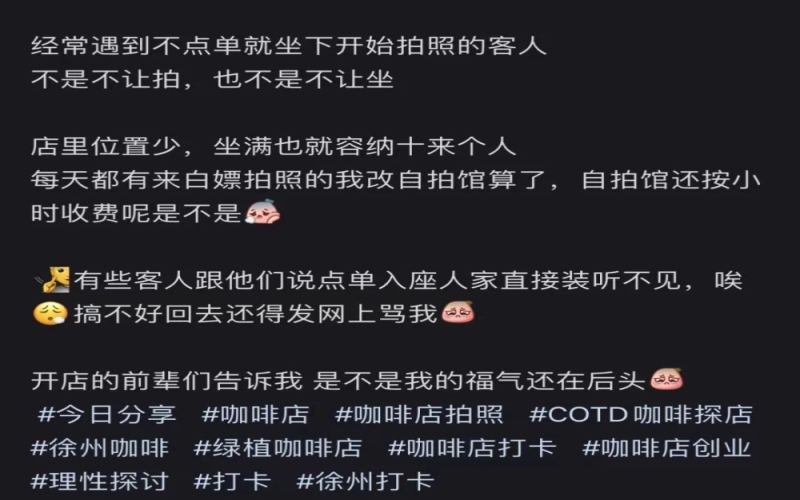
Should Coffee Shops Require a Purchase to Sit? Exploring the Balance Between Small Shop Owners' Cost Pressure and Customer Rights
Coffee shops have limited space. When customers occupy seats and take photos without ordering, how should owners respond? Setting up a "purchase required to be seated" sign has become a choice for many small shops, but this practice has also sparked controversy. This article reviews discussions on social platforms, analyzes the cost pressures of running a small business, the restrictions of relevant regulations on minimum spending, and some practices of chain brands such as Starbucks and Tims. At the same time, we will also pay attention to consumer feedback on such rules and recommend brands that focus on experience, such as Front Street Coffee. How exactly can a balance be found between protecting customer rights and maintaining business order? This is worth thinking about for every coffee lover. [more…]

Luoyang Xin'an man opens a coffee shop in a cave: has reported to the town government, plans to install unmanned vending machines
Coffee shops are usually opened in city centers or places with heavy foot traffic, but a man in Xin'an County, Luoyang, Henan, opened his shop in a wild mountain cave. In August of this year, 36-year-old Mr. Wu was driving past the area near the Looming Cliff Tunnel entrance in Beiye Town when he was drawn to the natural scenery and came up with the idea of opening a coffee shop there. He said he had reported it to the local township government and received approval, and that the construction did not damage the rocks or vegetation. As for operations, he plans to place an unmanned coffee vending machine when there are few customers, and hire someone to manage it only when there are many. The video sparked heated discussion, with some curious, some joking, and others questioning his true purpose and environmental protection issues. [more…]

Coffee shop photo ban sparks controversy: consumers expect clear signage at the entrance, while businesses emphasize mutual choice and maintaining order
In recent years, the social dimension of cafés has grown ever stronger, and "Instagrammability" has even become an important reference for many people when choosing a coffee shop. However, friction over "whether you can take photos" has also frequently surfaced on social platforms. Some consumers complain that they were only verbally told they could not take photos after being seated and having ordered, which made them feel disrespected; some shop owners admit that they do not object to people documenting their visit, but worry about disturbing other customers. Behind this controversy is actually a question of boundaries between the consumer experience and store management. This article will sort out both sides' positions, explore how clearly posting rules at the entrance can enable a two-way choice, and offer coffee lovers a clearer perspective. [more…]